

There’s a fundamental tension in organizational change: the desire for agility often conflicts with the comfort of established systems and structures.
Continue reading “What limits Business agility”There’s a fundamental tension in organizational change: the desire for agility often conflicts with the comfort of established systems and structures.
Continue reading “What limits Business agility”
This blog captures a conversation had with some delivery teams that were caught in a release framed delivery continuum and their quest to deliver meaningful value.
The conversation was triggered by a statement I threw at them and the questions that followed.
Continue reading “Building business increments”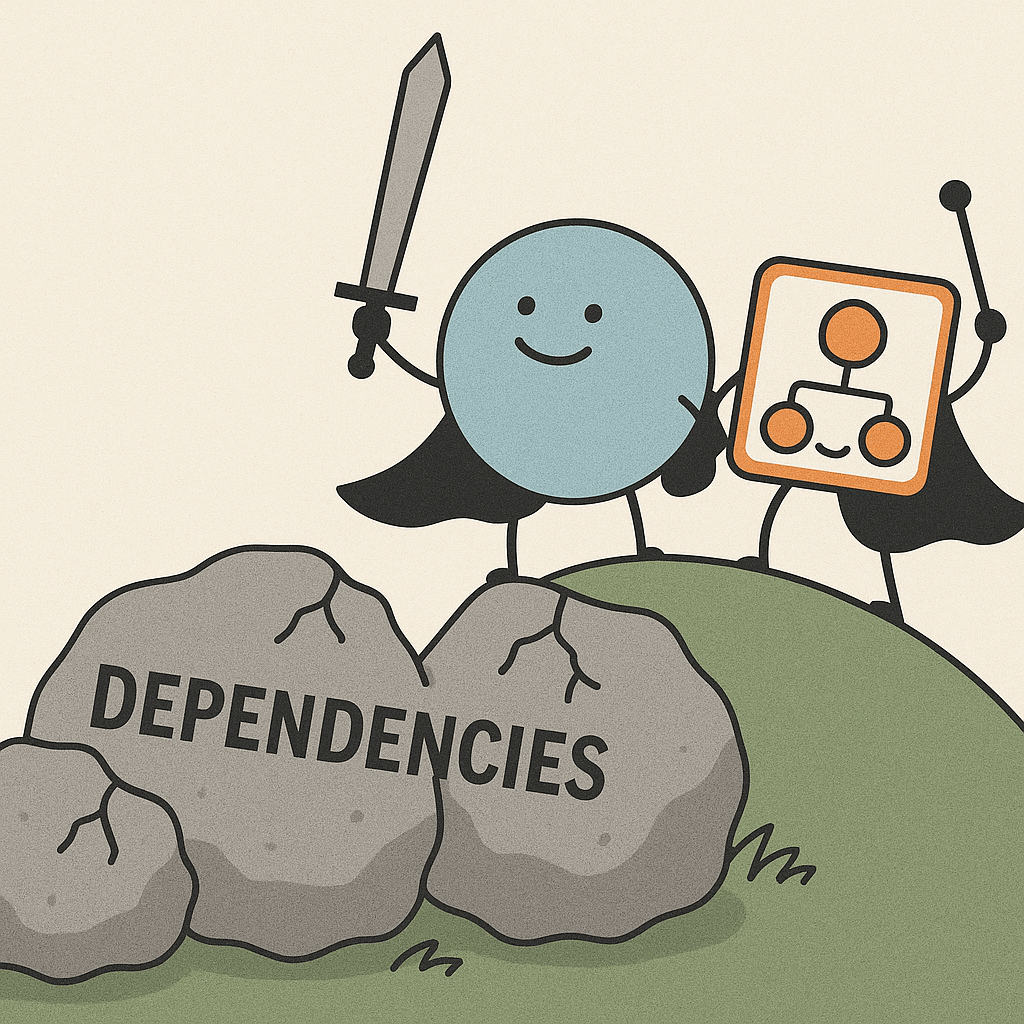
In the world of software development, dependencies are the silent project killers that can transform an agile methodology into a bureaucratic nightmare. But what if there was a way to tame these complex interconnections and restore the promise of rapid, flexible development?
Continue reading “Encapsulation and Orchestration Conquer Dependencies in Agile Development”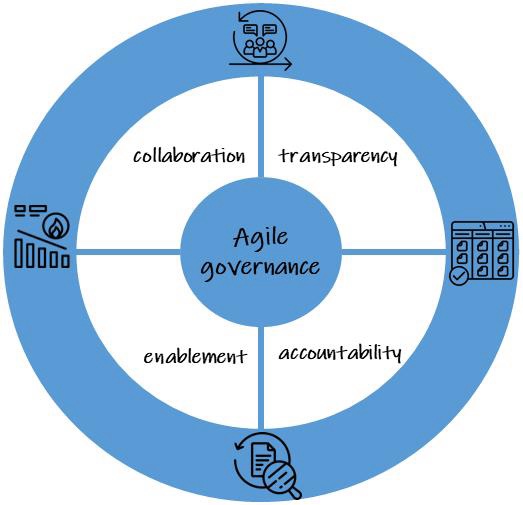
Governance include the fundamental guidelines, principles and practices, that ensure an organization or team operates effectively, ethically, and in alignment with its strategic objectives.
Continue reading “Governance Principles”
This blog explores the integration of AI with “Simple Agility”, offering practical insights for organizations seeking to enhance their agile transformation journey through intelligent technologies.
Continue reading “AI Boosts Simple Agility”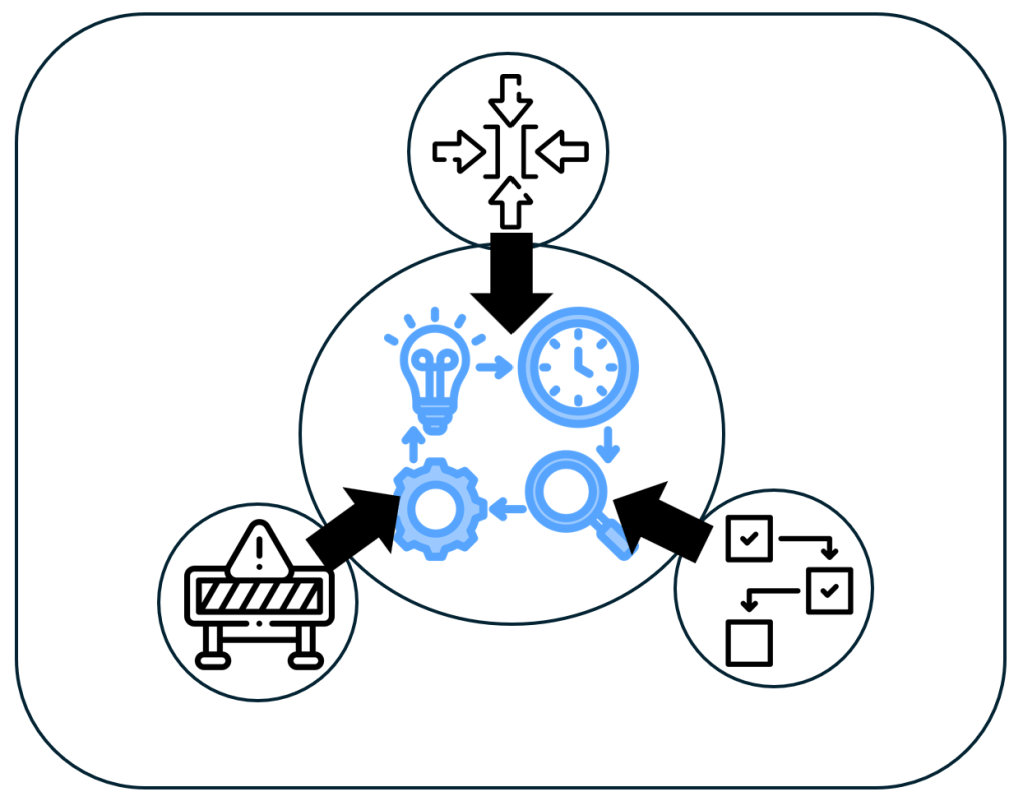
Knowledge work is characterized by cognitive complexity, creative problem-solving, and intellectual value generation. The challenges in this domain are primarily intangible and systemic.
Continue reading “Constraints, dependencies, and impediments”
Team capacity and focus are interconnected elements that determine a team’s effectiveness and productivity. Capacity represents the total potential work a team can accomplish, considering individual skills, available hours, and organizational constraints. Focus is about strategically directing that potential towards the most important objectives, minimizing distractions and creating a shared sense of purpose.
Continue reading “Team Capacity and Focus”
In the context of modern business, delivery teams are constantly seeking ways to improve their performance, reduce waste, and deliver more value.
Continue reading “Maximizing Team Efficiency through Lean, Flow, and Theory of Constraints Metrics”
Today many people mistakenly believe that simply being “agile” is the secret to success. However, true effectiveness goes far beyond methodological buzzwords or trendy productivity frameworks. This exploration delves into a holistic approach to achieving meaningful results by focusing on fundamental principles that drive genuine productivity and personal growth.
Continue reading “It’s Not About Being Agile, It’s About Being Effective”
When discussing team encapsulation and orchestration (terms popularised by Mike Cottmeyer from Leading Agile) in the context of Agile development, these concepts relate to how teams can structure their work and interactions to maximize efficiency and minimize dependencies.
Continue reading “Team encapsulation and orchestration”
This is about using an integrated methodological synergetic approach: Lean, Flow, and Theory of Constraints.
Continue reading “Solving the Efficiency Equation”
This is about understanding what slows down value delivery work: dependencies, impediments, and constraints in team performance affect efficiency.
Continue reading “The Efficiency Equation”
In large organizations complexity of value streams and technical architectures make it difficult for simplicity to flourish, time theft comes in the form of dependencies which cause delays and affect efficiency and productivity.
Continue reading “Dependencies and delays “
Imagine an organization as a complex ecosystem, where efficiency, speed, and optimization are the keys to survival and success.
Continue reading “The Path of Continuous Improvement: Lean, Flow, and Theory of Constraints”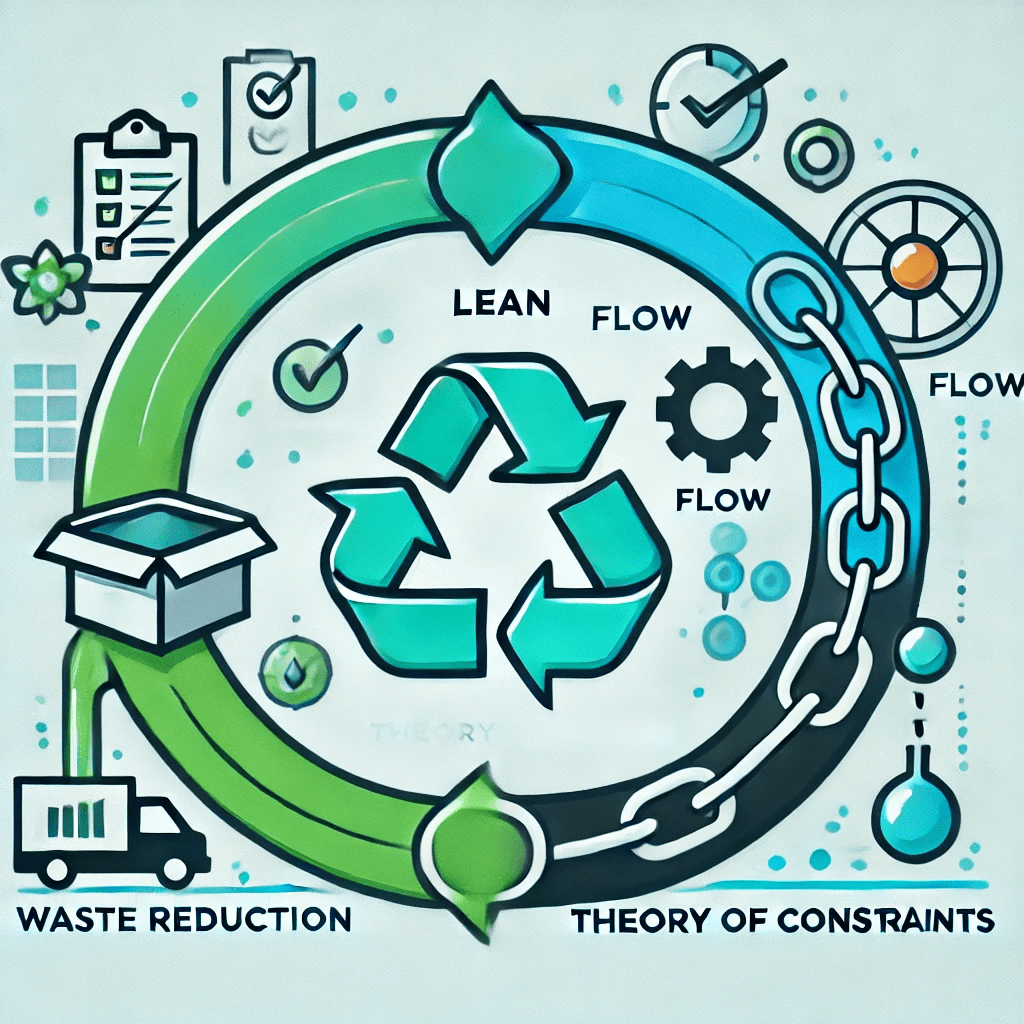
This approach is about leveraging ideas from methodologies originally developed for manufacturing applied to knowledge work: Lean is about efficiency, Flow is about optimisation, and Theory of Constraints about improvement.
Continue reading “Beyond agile”Handoffs are a sort of waste (they represent the transition from one ownership level to another, the equivalent to transportation as a sort of manufacturing waste) and the Lean nature of the Agile Operating System (AOS) aims at preventing waste.
Are there any handoffs within the AOS, and how are they dealt with?
The answer is NO!
Continue reading “The AOS and handoffs” Agile Ways