

This booklet is an updated version of the Agile Operating System, developed for a multi-value stream business unit, and implemented in their quest for business agility.
This booklet is an updated version of the Agile Operating System, developed for a multi-value stream business unit, and implemented in their quest for business agility.
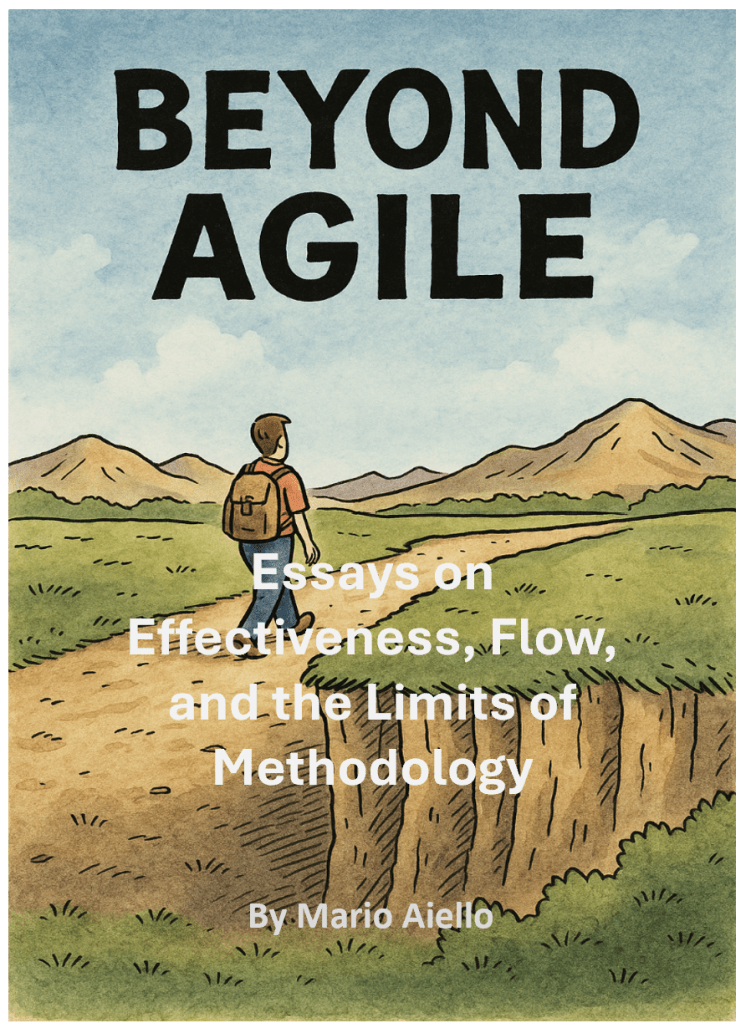
This is the second booklet in my agile musings series: Beyond Agile – Essays on Effectiveness, Flow, and the Limits of Methodology, and it captures my views on how the actual state of Agile can be improved at the organizational level. It contains a series of essays and posts that invite the reflection about ways to leverage the agile philosophy and ways if thinking.

Agile has a problem. After decades of frameworks, ceremonies, and consultants, we’ve created something the original manifesto was meant to destroy: heavyweight process that obscures the actual work.

When Methodology Becomes Dogma: A cautionary tale of how the methodology meant to liberate teams can become their prison
The Agile Manifesto was revolutionary when it emerged in 2001. Its authors rebelled against rigid, documentation-heavy processes that stifled creativity and responsiveness. They championed “individuals and interactions over processes and tools” and “responding to change over following a plan.”
Continue reading “The Far Side of Agile”
Agile software development works because it follows a simple principle: keep your options open as long as possible. Every iteration, user story, and daily synch is designed to delay big decisions until you have better information.
Continue reading “Agility is All About Keeping Your Options Open”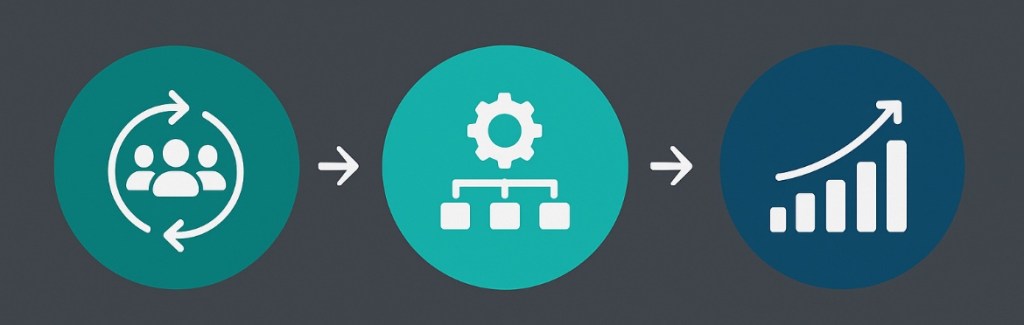
In the past decade agility has transcended from being merely a software development methodology to becoming a crucial business capability. I hereby attempt to explore the three fundamental dimensions of agility at scale: Team Agility, Organizational Agility, and Business Agility.
Continue reading “Bridging Team, Organizational, and Business Agility Dimensions”
There’s a fundamental tension in organizational change: the desire for agility often conflicts with the comfort of established systems and structures.
Continue reading “What limits Business agility”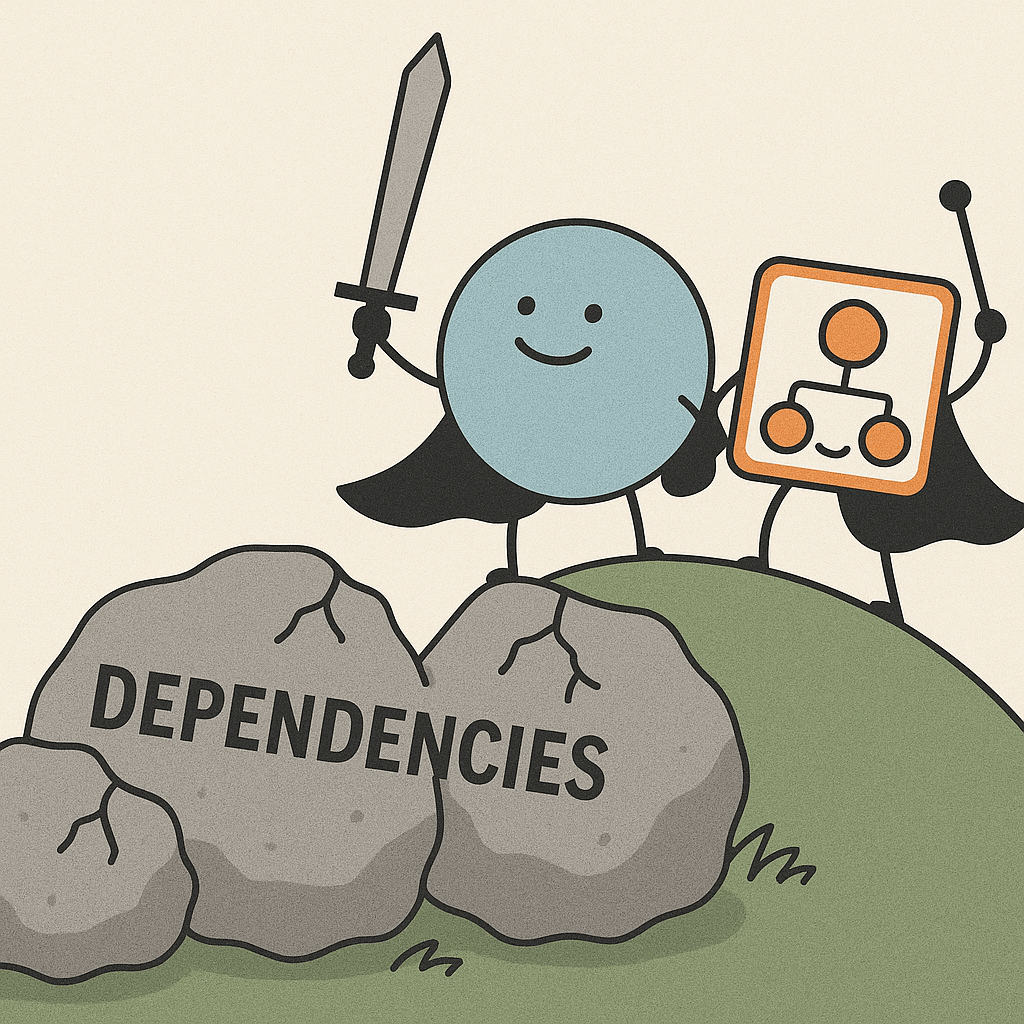
In the world of software development, dependencies are the silent project killers that can transform an agile methodology into a bureaucratic nightmare. But what if there was a way to tame these complex interconnections and restore the promise of rapid, flexible development?
Continue reading “Encapsulation and Orchestration Conquer Dependencies in Agile Development”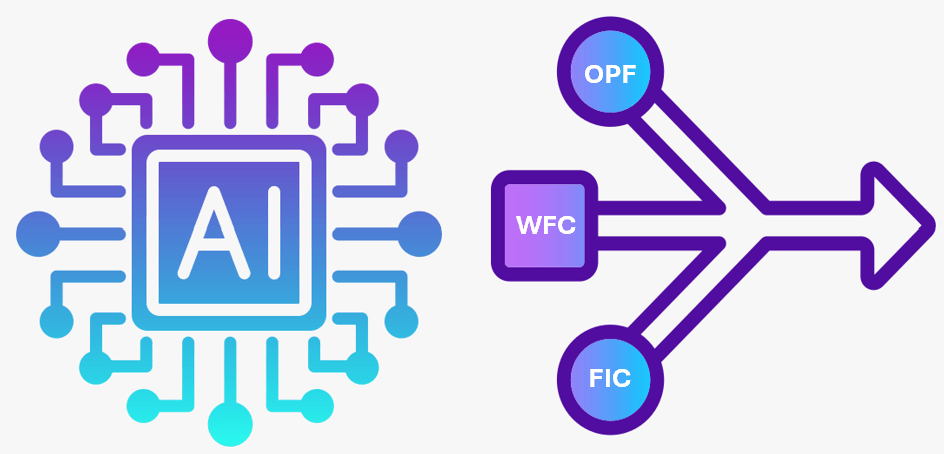
This blog explores the integration of AI with “Simple Agility”, offering practical insights for organizations seeking to enhance their agile transformation journey through intelligent technologies.
Continue reading “AI Boosts Simple Agility”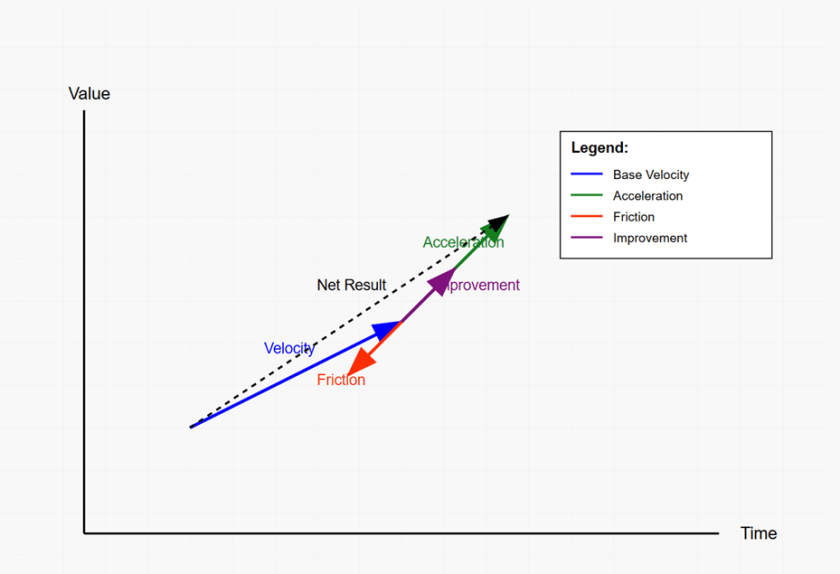
Software delivery is influenced by the interplay of several forces. Some are boosters and others antagonists, these forces simultaneously shape the challenges for development teams. Understanding these dynamics is essential to optimize software delivery processes, reduce time-to-market, and maintain competitive advantage while delivering high-quality products that meet customer needs.
Continue reading “Forces affecting value delivery”
When discussing team encapsulation and orchestration (terms popularised by Mike Cottmeyer from Leading Agile) in the context of Agile development, these concepts relate to how teams can structure their work and interactions to maximize efficiency and minimize dependencies.
Continue reading “Team encapsulation and orchestration”
This is about using an integrated methodological synergetic approach: Lean, Flow, and Theory of Constraints.
Continue reading “Solving the Efficiency Equation”
This is about understanding what slows down value delivery work: dependencies, impediments, and constraints in team performance affect efficiency.
Continue reading “The Efficiency Equation”
In large organizations complexity of value streams and technical architectures make it difficult for simplicity to flourish, time theft comes in the form of dependencies which cause delays and affect efficiency and productivity.
Continue reading “Dependencies and delays “
Imagine an organization as a complex ecosystem, where efficiency, speed, and optimization are the keys to survival and success.
Continue reading “The Path of Continuous Improvement: Lean, Flow, and Theory of Constraints”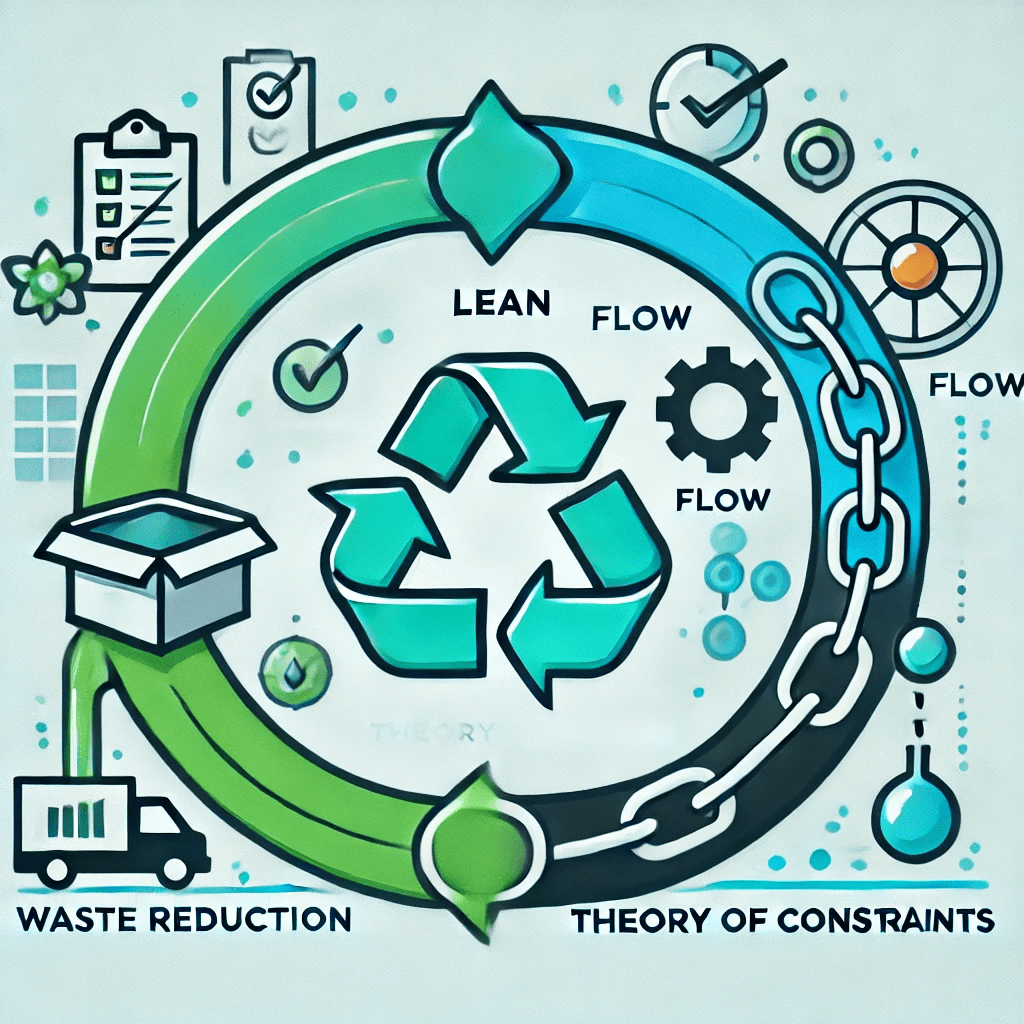
This approach is about leveraging ideas from methodologies originally developed for manufacturing applied to knowledge work: Lean is about efficiency, Flow is about optimisation, and Theory of Constraints about improvement.
Continue reading “Beyond agile”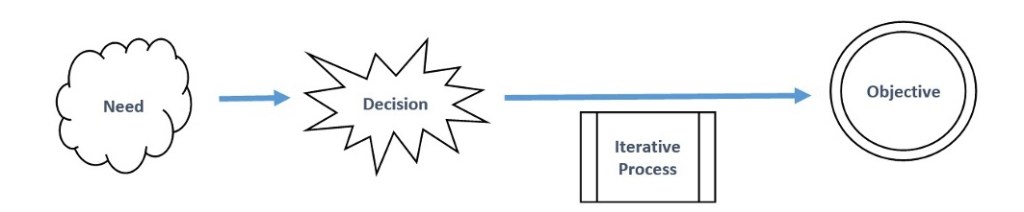
Usually in a business profit maximizing world, chasing (business) objectives is part of a plan: deliver more, faster, and cheaper, … please be more productive!
Continue reading “Pursuing objectives”
An attempt to a systemic approach for an organization’s successful implementation of agile, leading to new ways of working and a cultural change.
Continue reading “Bringing agile to the organization” Agile Ways